Personalised
Male Breast Reduction in Kolkata
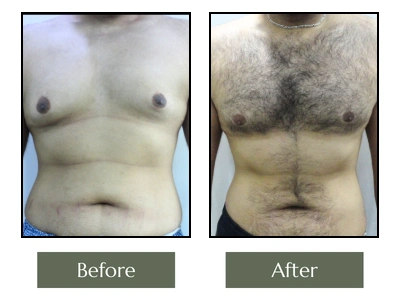
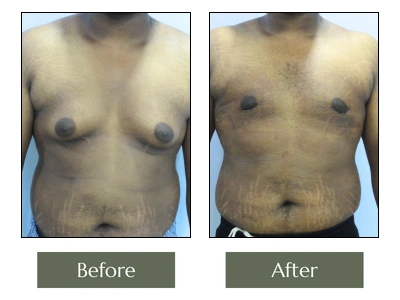
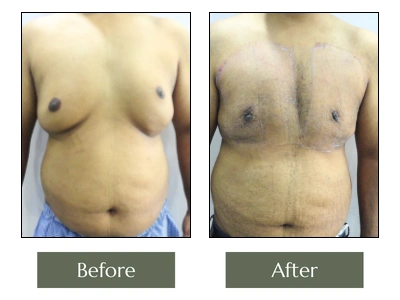
Male Breast Reduction Before & After Results
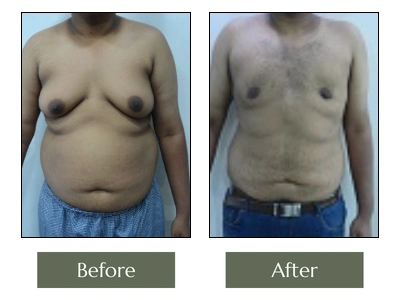
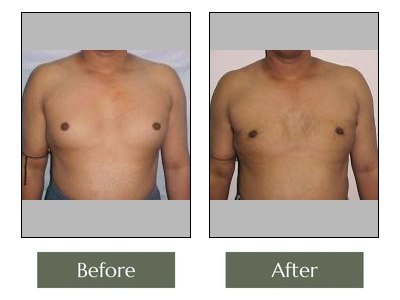
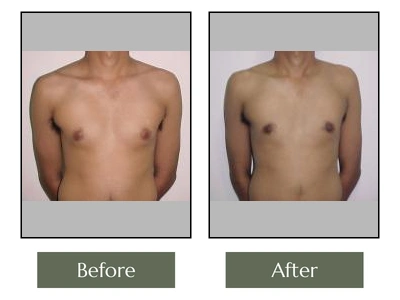
What Is Gynecomastia?
Gynecomastia is the enlargement of male breast tissue. It may affect one or both sides of the chest and can create a soft, full or puffy appearance.
The condition may be associated with hormonal imbalance, genetics, weight changes or certain medicines. Although it is generally benign, it can affect clothing choices, physical activities and body confidence.
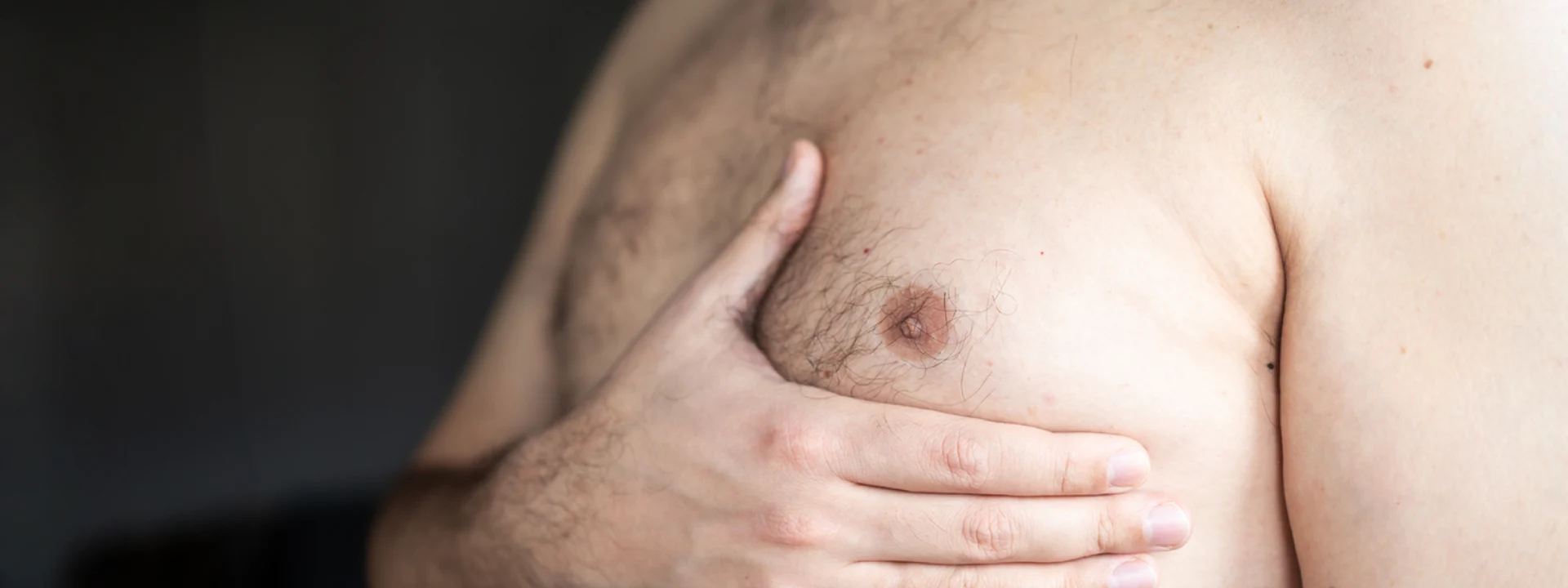
Is Gynecomastia Simply Excess Chest Fat?
Not always. Chest fullness may be caused by excess fat, firm glandular tissue or a combination of both. This distinction influences the recommended surgical technique.
Liposuction removes excess fat, while tissue excision removes dense glandular tissue. Some patients require both techniques for balanced chest contouring.
Potential Benefits of Gynecomastia Surgery
- Creates a flatter and firmer chest contour
- Removes excess fat or glandular tissue
- Improves masculine chest definition
- May make fitted clothing more comfortable
- Can reduce the prominence of puffy nipples
- May support body confidence and self-image
- Provides long-lasting correction when contributing factors remain controlled
Consider a Male Breast Reduction Surgery If…
- You avoid fitted T-shirts because of chest fullness
- Puffy nipples remain visible through clothing
- Exercise does not reduce your male chest fullness
- You feel self-conscious at the gym or pool
- An enlarged chest affects confidence or body image
- One side of the chest looks more prominent
- You want a flatter, more masculine chest
- You are looking for long-term gynecomastia correction
- Chest fullness makes you avoid going shirtless
- You want natural-looking male chest contouring
- You are in good general health, and your body weight is reasonably stable
- You do not smoke or consume excessive alcohol
- Have realistic expectations about the procedure
What Does Dr Khanna Evaluate During Assessment?
A detailed assessment helps identify the tissue causing chest enlargement and determines the appropriate treatment. The evaluation may include:
- The amount and distribution of chest fat
- The presence of firm glandular tissue
- Skin elasticity and chest sagging
- Nipple and areola shape
- Differences between the two sides
- The grade and severity of gynecomastia
- General health and body weight
- Expected chest contour and recovery
Male Breast Reduction Surgery: Overview, Process and Recovery
The correct technique depends on whether the chest fullness is caused by fat, glandular tissue, loose skin or a combination of these factors.
| Technique |
Overview
|
Process Time
|
Recovery
|
Aftercare
|
|---|---|---|---|---|
| Liposuction | Removes excess chest fat through small incisions using contouring cannulas | 1–2 hours | Routine activities in 5–7 days | Compression garment, swelling care and no heavy workouts for 3–4 weeks |
| Tissue excision | Removes dense glandular tissue and excess skin to improve chest firmness and nipple contour | 1.5–3 hours | Normal activities in 1–2 weeks | Dressing care, scar care, compression and restricted upper-body movement |
| Combination technique | Combines liposuction and gland excision for comprehensive chest reshaping | 2–3 hours | Daily activities in 1–2 weeks | Compression wear, follow-ups and a gradual return to exercise |
Male Breast Reduction Surgery: Liposuction, Tissue Excision & Combination Step-by-Step Process
Liposuction Technique
Pre-operative Marking and Evaluation
The surgeon evaluates chest shape, skin elasticity, and fat distribution before carefully marking treatment areas and planned incision locations.
Tumescent Fluid Infiltration
A specialised fluid is injected to numb tissues, reduce bleeding, loosen fat cells, and improve liposuction precision during surgery.
Small Incision Placement
Tiny hidden incisions are created near natural chest creases, armpits, or around the areola for discreet surgical access.
Fat Extraction Procedure
A thin cannula removes excess chest fat using controlled suction techniques to improve the masculine appearance of the chest contour and definition.
Gland Removal and Contouring
Dense glandular tissue behind the nipple may be removed through small incisions to achieve a smoother, flatter chest contour.
Closure and Compression Garment
Incisions are closed carefully, followed by compression garment placement to reduce swelling and support healing chest tissues after surgery.
Tissue Excision Technique
Anaesthesia Administration
General anaesthesia or intravenous sedation is administered to ensure comfort, safety, and a pain-free surgical experience throughout the procedure.
Initial Liposuction Procedure
Liposuction may first remove surrounding chest fat and loosen tissues before the excision of dense glandular breast tissue begins surgically.
Incision Placement
A small incision is usually created along the areola border to minimise visible scarring and provide precise glandular tissue access.
Glandular Tissue Dissection
The surgeon carefully separates dense glandular tissue from the surrounding skin and chest muscles using advanced precision surgical instruments and techniques.
Tissue Excision Procedure
Firm glandular tissue is removed through the incision while preserving the natural chest contour and avoiding a sunken nipple appearance.
Skin Tightening and Nipple Repositioning
Excess loose skin may be removed, and the nipples repositioned in severe gynecomastia cases with significant chest-skin sagging concerns.
Closure and Drain Placement
Incisions are closed using fine sutures, while temporary drains may reduce swelling and prevent fluid accumulation after surgical correction.
Combination Technique
Chest Marking and Anaesthesia
The surgeon evaluates chest shape, marks treatment zones, and administers anaesthesia to ensure a safe, comfortable gynecomastia correction procedure.
Tumescent Fluid Infiltration
Specialised fluid is injected into the chest tissues to numb the area, reduce bleeding, and improve the precision of fat removal during surgery.
Liposuction Fat Removal
Tiny hidden incisions allow controlled liposuction to remove excess chest fat and improve the overall definition of the masculine chest contour.
Gland Excision Procedure
Dense glandular tissue beneath the nipple is carefully removed through small areolar incisions for a flatter chest contour and symmetry.
Nipple Reshaping and Contouring
The nipple-areola complex may be reshaped or repositioned to create a balanced, natural-looking masculine chest appearance after correction surgery.
Drain Placement and Closure
Temporary drains may reduce fluid build-up before fine sutures close the incisions and support proper healing after gynecomastia correction surgery.
Compression Garment Recovery Phase
Compression garments help reduce swelling, support chest tissues, and improve skin retraction during the early healing period after surgery.
Final Chest Contouring Results
Swelling gradually settles over several months, revealing a firmer, flatter, and more naturally contoured masculine chest appearance after treatment.
How Is the Technique Selected?
Liposuction may be considered when excess fat is the main concern and skin elasticity is suitable. Tissue excision may be needed for firm glandular tissue beneath the nipple.
A combination approach may be recommended when both fat and glandular tissue contribute to chest enlargement. Significant loose skin may require additional tightening or nipple repositioning.
Risks and Safety Measures After Male Breast Reduction Surgery
Risks of male breast reduction surgery
- Swelling and bruising during early recovery
- Temporary discomfort or chest tightness
- Fluid or blood collection beneath the skin
- Infection around the treated area
- Anaesthesia-related complications
- Mild visible scarring after healing
- Uneven chest contour or asymmetry
- Temporary or lasting nipple-sensation changes
- Skin irregularities or contour depressions
- Occasional need for corrective surgery
Safety measures after surgery
- Wear the compression garment as advised
- Keep the incision area clean and dry
- Take prescribed medicines as instructed
- Sleep with the upper body slightly elevated
- Begin light walking to support circulation
- Avoid heavy lifting and chest workouts for 4–6 weeks
- Avoid swimming pools and hot tubs during healing
- Avoid smoking and limit alcohol intake
- Maintain hydration and a protein-rich diet
- Attend scheduled follow-up consultations
Please Note: The clinic’s individual aftercare instructions should take priority over general online guidance to avoid any risk post-surgery.
Recovery Timeline After Male Breast Reduction Surgery
Recovery varies according to the technique used, the amount of tissue removed and the patient’s healing response.
(Days 1–7)
Mild soreness, swelling, bruising and chest tightness are common. A compression garment supports the chest during early healing.
(Weeks 2–3)
Bruising and discomfort gradually improve. Light walking, desk work and routine daily activities usually become easier.
(Weeks 4–6)
Most swelling reduces significantly. Workouts and heavier physical activities may resume gradually after medical clearance.
(Months 2–6)
Residual swelling settles while the skin adjusts to the chest contour. Flatter and more defined results become increasingly visible.
Will There Be Scars After Gynecomastia Surgery?
Male breast-reduction surgery requires small incisions. These may be placed along the areolar border, near the chest fold or in another discreet location.
Some scarring is expected, but scars generally soften and fade gradually. Their final appearance depends on the procedure and individual healing.
What Results Can You Realistically Expect?
Male breast-reduction surgery can create a flatter, firmer and more masculine chest. Initial improvement becomes visible as swelling reduces, while final definition develops over the following months.
Removed glandular tissue does not usually regrow. However, significant weight gain, hormonal changes or other underlying factors may alter the chest later. Maintaining a stable weight can help preserve the result.
Perfect symmetry cannot be guaranteed, and the final contour varies between patients.
Factors Determining Gynecomastia Surgery Cost in Kolkata
The cost of male breast-reduction surgery varies according to the below factors
Severity and grade of gynecomastia
Amount of glandular tissue requiring removal
Extent of liposuction and chest contouring
Surgical technique and anaesthesia
Skin tightening or nipple repositioning, if required
Surgical facility and operating infrastructure
Compression garments and recovery care
Take the Next Step Towards Now!
Explore advanced gynecomastia surgery in Kolkata by Dr Manoj Khanna, focused on natural chest contouring, balanced definition and lasting confidence.
A personalised chest evaluation can determine whether liposuction, gland excision or a combination approach is appropriate for you.
Schedule Your Consultation
Share a few details and the clinic team will guide you on the next step.
Key Facts at a Glance
| Information | Details |
|---|---|
| Procedure type | Surgical male chest contouring |
| Techniques | Liposuction, gland excision or a combination of both |
| Anaesthesia | Local or general anaesthesia, depending on the procedure |
| Typical procedure time | Approximately 1–3 hours |
| Hospital stay | Usually performed as a day-care procedure |
| Return to routine activities | Approximately 5 days to 2 weeks |
| Return to chest workouts | Usually after 4–6 weeks, with medical clearance |
| Compression garment | Generally advised during early recovery |
| Pricing range | ₹30,000 to ₹1,00,000 |
| Performed by | Dr Manoj Khanna, MCh Plastic Surgery |
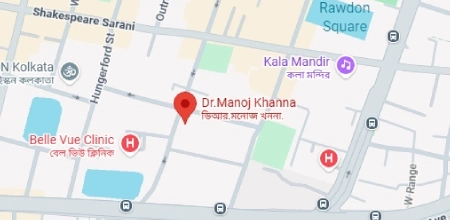
| Location | Suite 5A, Minto Park, Maruti Building, 12, Sir UN Brahmachari Sarani, opposite Bellevue Clinic, Kolkata, West Bengal 700017 |
Frequently Asked Questions
Is gynecomastia surgery permanent?
Removed glandular tissue does not usually return. However, weight gain or hormonal changes may affect the chest over time.
Can gynecomastia return after surgery?
Recurrence is uncommon when glandular tissue is removed and contributing hormonal or lifestyle factors remain controlled.
Does gynecomastia surgery leave scars?
Small scars may remain, but they are generally placed discreetly and gradually fade during healing.
How long does gynecomastia surgery take?
Most procedures take between one and three hours. The duration depends on the technique and extent of correction.
When can gym workouts restart after surgery?
Light exercise may resume gradually, while intensive chest workouts are generally delayed for four to six weeks.
How much does gynecomastia surgery cost in Kolkata?
The cost generally ranges from ₹30,000 to ₹1,00,000. It depends on the grade, technique and extent of chest correction.
Is gynecomastia surgery painful?
Temporary soreness is common after surgery. It can usually be managed with prescribed medication and appropriate aftercare.
Is it possible to return home on the same day?
Male breast-reduction surgery is commonly performed as a day-care procedure. The discharge plan depends on the technique, anaesthesia and early recovery.
Patient Experiences
4.7 ★★★★★
670+ Google reviews
Why Choose Dr Manoj Khanna for Male Breast Reduction
Here is why you can trust Dr Khanna for your breast reduction surgery in Kolkata:
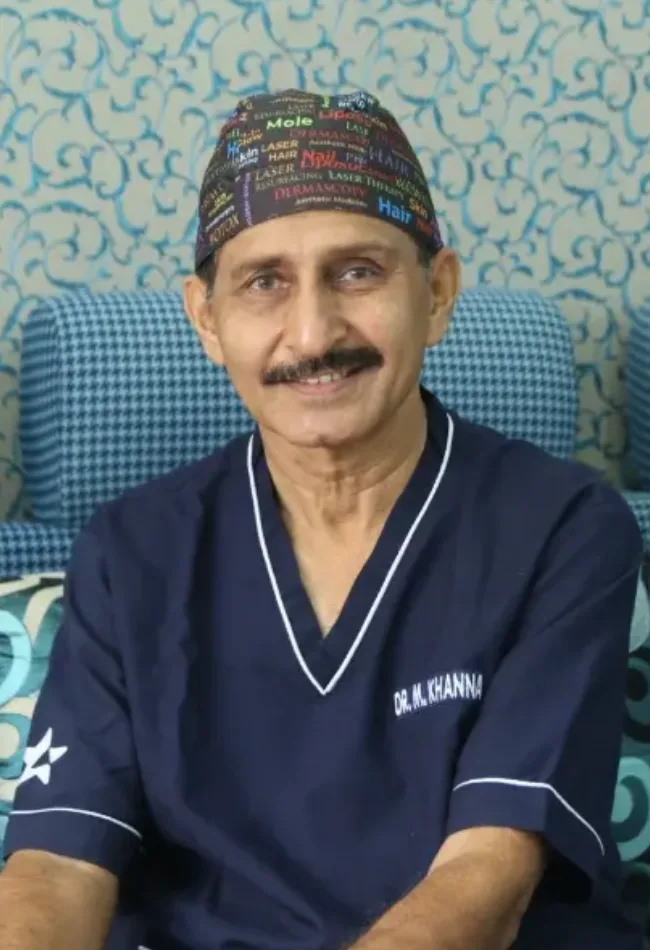
Extensive Surgical Experience
Dr Manoj Khanna has over 30 years of aesthetic and body-contouring experience.
1,000+ Gynecomastia Procedures
He has performed more than 1,000 male breast-reduction procedures.
Precise Tissue Removal
Treatment focuses on targeted fat removal and precise gland excision.
Personalised Technique Selection
The surgical approach is selected according to fat, gland and skin distribution.
Natural-looking Chest Contour
Chest contouring focuses on balanced definition, symmetry and masculine proportions.
Experience Across Different Grades
His experience includes mild, moderate and severe cases of gynecomastia.
Awards

Clients

Client Satisfaction

Cosmetic Procedures